While the Almuñécar Halloween, and generally in Spain, isn’t a big tradition for trick or treat and costumes, there are a few fun things going on. It tends to be more of the zombies and scary events, but there are some for the little kids too. We have included Halloween activities for La Herradura, and Almuñécar, Maro, Motril, Salobreña, Malaga, Velez-Malaga, and Granda. Use the table of contents to quickly jump to the section you are interested in. There are many haunted houses to visit (Passage of Terror), try to visit them all.
The Holiday calendar below provides the days and dates for La Herradura and Almuñécar public holidays (local & national), ferias, fiestas, and additional public school days off.
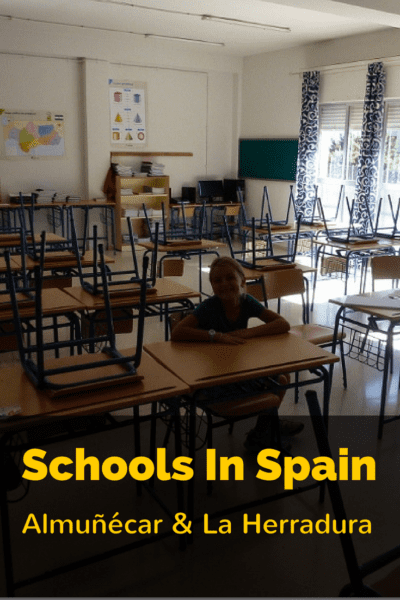
There are several public and private schools in Almuñécar. Covering infant through high school (grade pre k to 12). There is also one International school (British Curriculum), which serves for the entire coastal area.
Guardería – daycare or nursery school 0-3 yrs
Infantil – 3-6 yrs
CEIP – Infant and Primary School (preschool – grade 6) (Colegio de Educación Infantil y Primaria)
IES – Secondary (grade 7-10) Instituto de Educación Secundaria
Bachillerato (grade 11-12) Optional Currently only located at Antigua Sexi and Al Andalus (Bi-Lingual)
Food, drinks, carnival rides, procession, boats and fireworks are what you will get when you celebrate the fiestas Virgen del Carmen Almuñécar & La Herradura! This usually includes 3-4 days of activities and fun at the western end of San Cristobal Beach. There are also a few days of festivities in La Herradura. Details for each celebration are listed below.
Each night is full of people gathering at the makeshift bar on the paseo, as well as kids enjoying the small carnival, plus you can’t go wrong with churros and waffles at Elvira’s open late! Then on July 16, it’s the day of Virgen del Carmen, patron saint of fishermen and sailors. The brotherhood will take her and set sail the streets in a procession and then to the waters to bless her in the midst of a festive atmosphere.
If boating is your thing, then you must visit Marina del Este La Herradura. The Marina is nestled in a protected cove, between Almuñécar and La Herradura, with a perfectly protected situation protected by natural rock and a manmade wall. La Herradura is the closest pueblo to the Marina, just over the natural headland called Punta de la Mona. This area is full of summer fun with many activities year-round as well, including many beaches, coves, hiking trails, and more. It is the perfect getaway for everyone.
We all have different learning styles and preferences when learning something new. It is no different when you want to study Spanish. Some of us prefer one-to-one Spanish lessons and some prefer group Spanish classes. While some like to get into the details of grammar, others prefer just to listen, learn and chat. Is it best to have intensive Spanish lessons, occasional lessons, play games or just meet up with friends once a week? Only you know what you need and which will work best for you and perhaps it is a combination of them all!
Buying or owning a home in Almuñécar comes with a lot of paperwork, taxes, and local procedures that can feel overwhelming, especially for foreigners living in Spain. Whether you have recently purchased a property on the Costa Tropical or are planning to buy, understanding these key Spanish property terms will help you avoid surprises and stay organised.
This guide explains the most important homeowner terms in Spain, what they mean, how often payments are made, and where to go locally in Almuñécar for documents or assistance.
Spanish Property Terms
IBI (Impuesto sobre Bienes Inmuebles)
IBI is the annual property tax paid by all property owners in Spain. It is similar to the council tax or property tax in other countries.
The amount you pay depends on the cadastral value (valor catastral) of your property, which the government assigns.
Important Information
Payment frequency: Once or twice per year
Who pays: Property owner
What it covers: Local municipal services
Typical payment period: Usually between July and November
Where to Pay or Get Information
The local town hall handles IBI payments and questions. If you have questions regarding your bill, cadastral value, or tax rates, you can visit the Área de Economía y Hacienda (Department of Revenue/Rentas) located at Plaza de la Constitución, 1, 2nd Floor, Almuñécar, open Monday to Friday from 9:00 a.m. to 2:00 p.m
Local Office
Ayuntamiento de Almuñécar
Many homeowners choose to set up direct debit payments through their Spanish bank account to avoid late fees.
Escritura (Title Deed)
The escritura is the official title deed proving ownership of a property in Spain. It is signed before a notary during the property purchase process.
You will need the escritura for:
Selling the property
Applying for a mortgage
Inheritance procedures
Utility changes
Tax matters
Important Information
One-time document
Signed at: Notary’s office
Registered at: Land Registry (Registro de la Propiedad)
Keep both physical and digital copies in a safe place.
Catastro (Cadastral Registry)
The Catastro is the government’s property registry containing information about land boundaries, size, usage, and the cadastral value of a property.
This is different from the Land Registry because it focuses on taxation and physical property details.
Important Information
Used for calculating IBI
Contains maps and property reference numbers
Important for renovations and legal checks
Key Term: Referencia Catastral
Every property has a unique cadastral reference number that officially identifies it.
Local Office
Oficina del Catastro
Many procedures can also be handled online or through your gestor or lawyer.
Nota Simple
A nota simple is an official document from the Land Registry summarising important information about a property.
It shows:
The legal owner
Outstanding debts or charges
Mortgage information
Property description
This is one of the most important documents to request before buying a property in Spain.
Important Information
Small fee payable
Valid for informational purposes only
Often requested during property sales
Where to Obtain It
Registro de la Propiedad de Almuñécar
Comunidad de Propietarios (Community Fees)
If you own an apartment, townhouse, or property in an urbanisation, you will usually pay community fees.
These fees cover:
Cleaning
Gardening
Swimming pool maintenance
Building insurance
Shared electricity
Lift maintenance
Important Information
Payment frequency: Usually monthly or quarterly
Amount varies: Depending on facilities and property size
Always ask for proof that community fees are up to date before buying a property.
Basura (Rubbish Collection Tax)
Many homeowners in Spain pay a rubbish collection tax called tasa de basura.
Important Information
Payment frequency: Usually annually or every six months
Often collected by the town hall
Sometimes included with water bills
Local Office
Ayuntamiento de Almuñécar
Suministros (Utilities)
Utilities in Spain are known as suministros. These include:
Electricity (electricidad)
Water (agua)
Gas (gas)
Internet and fibre (fibra)
Important Information
Bills are usually paid monthly or every two months
Most providers require direct debit from a Spanish bank account
When buying a property, utilities normally need to be transferred into the new owner’s name.
Empadronamiento
The empadronamiento is your registration on the local town hall census. While not directly related to property ownership, it is extremely important for residents living in Spain.
It may be required for:
Residency applications
Healthcare registration
School enrolment
Vehicle registration
Where to Register
Ayuntamiento de Almuñécar
NIE Number
The NIE (Número de Identidad de Extranjero) is the foreigner identification number required for almost every legal and financial activity in Spain.
You need an NIE for:
Buying property
Opening a bank account
Utilities contracts
Paying taxes
Taking out insurance
Where to Obtain It
Extranjería or National Police in Granada or Motril
Hipoteca (Mortgage)
A hipoteca is a Spanish mortgage used to finance the purchase of a property.
Spanish mortgage products can vary significantly depending on:
Residency status
Income source
Nationality
Deposit amount
Fixed or variable interest rates
Many foreign buyers find it helpful to work with someone who understands both the Spanish banking system and the needs of expats purchasing property in Spain.
If you would like a referral to a trusted Spanish bank for mortgage advice and financing options, feel free to get in touch through almunecarinfo.com.
Seguro de Hogar (Home Insurance)
Home insurance in Spain is highly recommended whether you own a permanent residence, holiday home, or rental property.
A good policy can cover:
Water damage
Fire
Theft
Liability
Contents
Legal assistance
Many non-residents are surprised to discover that Spanish insurance policies can differ significantly from policies in their home country, so it is important to get professional advice.
As an exclusive agent for Caser Seguros, I help homeowners in Almuñécar and across Spain find suitable home insurance cover for their needs.
Need Home Insurance in Spain?
Whether you own a villa, apartment, holiday home, or rental property in Spain, I can help you compare suitable cover options through Caser Seguros.
You are also welcome to search the site AlmunecarInfo.com for help with local services, practical information, and trusted referrals in the Almuñécar area.
There is a revolution going on in the Spanish wine industry. And wine producers (bodegas) in the Granada province are among those leading the way. Did you know that you can visit some of the most interesting of these bodegas within an hour’s drive from Almuñecar?
If you live in a small building in Almuñécar or La Herradura—perhaps just two or three apartments—you might be managing things quite happily without a formal comunidad de propietarios. Bills get split, the stairwell gets cleaned (eventually), and everyone more or less agrees when something needs fixing.
But what happens when a bigger issue comes up? A leaking roof, exterior repairs, or one owner who suddenly doesn’t want to pay? This is where having a formal community can make a big difference.
What Is a Community of Owners in Spain?
In Spain, shared residential buildings are governed by the Ley de Propiedad Horizontal. This law regulates how co-owners manage shared spaces, such as:
Roof terraces
Building façades
Stairwells
Entrances and structural elements
If your building has four or fewer owners, you’re not strictly required to form a formal community. Many small buildings operate informally for years.
However, you are still legally considered to share responsibility for common areas—whether you have a formal structure or not.
👍 The Benefits of Setting Up a Community
✔️ Clear rules and fewer misunderstandings
A formal community sets out:
Who pays what
How decisions are made
What happens if someone doesn’t pay
No more relying on memory or WhatsApp agreements.
✔️ Legal protection
This is one of the biggest advantages.
With a formal community:
You can legally enforce payments
Decisions are officially recorded
You have a clear framework if disputes arise
✔️ Easier maintenance and repairs
When bigger expenses come up (and they will), a community allows you to:
Agree on the work formally
Share costs fairly (usually based on ownership share)
Build a small reserve fund over time
✔️ Better for selling your property
Buyers and their lawyers often prefer:
A registered community
Clear accounts
No informal arrangements
It makes the sales process smoother and more transparent.
👎 The Downsides to Consider
❗ More admin
Even in a small building, you’ll need:
Occasional meetings
Written minutes (actas)
Basic financial tracking
❗ Ongoing costs
Typical shared costs might include:
Bank account fees
Building insurance
Optional administrator fees
❗ Less flexibility
Instead of casually splitting costs, decisions must follow legal voting rules and ownership percentages (coeficientes).
⚙️ How to Set Up a Community of Owners
The good news? It’s much simpler than most people think—especially in a small building.
1. Hold an initial meeting
All owners meet and agree to:
Form a community
Appoint a President (required by law)
Optionally appoint a Secretary/Administrator
This meeting becomes your official constitution.
2. Create a Libro de Actas (Minutes Book)
You’ll need an official record book where all decisions are written.
Purchase a Libro de Actas
Have it stamped/legalised at the Property Registry (Registro de la Propiedad)
3. Apply for a community tax ID (CIF)
The community needs a fiscal number to operate.
You apply at the Agencia Tributaria using form 036.
This allows you to:
Open a bank account
Pay invoices
Contract services
4. Open a community bank account
Choose a local Spanish bank and set up an account in the community’s name.
Each owner contributes:
Either monthly or as needed
Based on agreed percentages
5. Arrange community insurance (recommended)
While not legally required, it’s strongly advised.
This typically covers:
Structural damage
Public liability (e.g., falling tiles, leaks affecting neighbours)
6. Decide whether to hire an administrator
For a small 3-owner building, this is optional.
However, a local administrador de fincas can:
Handle paperwork
Manage accounts
Ensure legal compliance
📍 Who to Contact (Locally)
If you’re based on the Costa Tropical, here’s where to start: