
Thinking about moving to the Costa Tropical? Wondering whether your pension, savings, or monthly income will be enough to enjoy life in southern Spain? Here’s a realistic look at the cost of living in Almuñécar – La Herradura, including rent, utilities, groceries, healthcare, transportation, and everyday expenses.

Almuñécar is one of those places that makes it easy to understand why so many foreigners choose to settle on Spain’s Costa Tropical. With its beautiful beaches, historic old town, relaxed Mediterranean lifestyle, fresh local produce, and plenty of sunshine, it offers an attractive alternative to some of Spain’s more expensive coastal destinations.
Located in the province of Granada, approximately halfway between Málaga and Granada, Almuñécar offers a combination of traditional Spanish living and an established international community. Whether you are a retiree looking for a peaceful place to enjoy your retirement, a digital nomad working remotely, or a family considering a permanent move to Spain, there is plenty to enjoy.
But what does it actually cost to live here?
The good news is that Almuñécar can offer a comfortable lifestyle without the price tag associated with some of Spain’s more well-known coastal destinations. However, your budget will depend heavily on whether you rent or own your home, where you choose to live, and how often you eat out or travel.
Let’s break down the everyday costs so you can decide whether Almuñécar is the right place for you.
1. How Much Money Do You Need to Live in Almuñécar?
As a general starting point, I would suggest budgeting approximately:
| Household | Estimated monthly budget |
|---|---|
| Single person renting | €1,600–€2,000 |
| Couple renting | €1,900–€3,600 |
| Single person owning a home | €1,200–€1,800 |
| Couple owning a home | €1,500–€2,300 |
These are illustrative budgets for a reasonably comfortable lifestyle, not minimum subsistence budgets or guaranteed costs. They assume ordinary household spending, with some room for eating out and enjoying local activities. There are luxury options available, but this chart does not take those into account.
Your housing costs will make the biggest difference. Someone renting a small apartment in the town center will have a very different budget from someone renting a large villa with a swimming pool and sea views.
If you already own your property outright, your monthly expenses can be considerably lower.
2. Housing Costs: Renting in Almuñécar
For most people relocating to Almuñécar, finding suitable long-term accommodation will be their biggest financial consideration.
There is a difference between alquiler de larga temporada (long-term rental) and alquiler de temporada (seasonal rental). This is particularly important in coastal towns where many properties are rented to holidaymakers or winter visitors.
A property advertised at an attractive monthly price may only be available from September through June, for example, rather than throughout the entire year. Full-year properties are very difficult to come by, but they do exist.
What can you expect to pay?
As a general guide, these are reasonable planning ranges to investigate when looking for accommodation:
| Property type | Estimated monthly rent |
|---|---|
| Studio apartment | €550–€750 |
| One-bedroom apartment | €700–€1000 |
| Two-bedroom apartment | €850–€1,300 |
| Three-bedroom apartment | €1000–€1,500+ |
| Villa or larger house | €1,600–€2,500+ |
Prices depend on location, condition, outdoor space, parking, swimming pools, and proximity to the beach.
Recent rental market indicators put advertised apartment rents in Almuñécar at approximately €12–€15 per square meter per month in 2026. This gives you a useful reference point, although individual properties can be considerably cheaper or more expensive.
Where should you live?
One of the advantages of Almuñécar – La Herradura is the variety of neighborhoods and nearby residential areas.
Almuñécar Town Centre
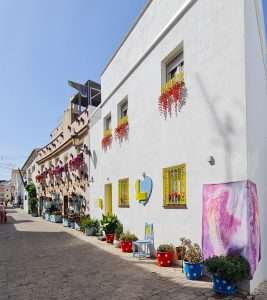
Ideal if you enjoy being able to walk to restaurants, shops, the market, supermarkets, and the beach. The historic center has plenty of character, although parking can be challenging.
San Cristóbal
A popular area close to the beach, restaurants, shops, and the seafront promenade. Convenient for people who prefer to have most things within walking distance.

Velilla and Taramay
Located east of the town center, these areas offer beachfront apartments and residential developments. Some areas are quieter outside the summer season. This is where you will find more affordable rentals. You would likely need a car for this area.
Cotobro
A quieter residential area west of the town, with attractive properties and sea views. A car can be useful depending on exactly where you live.
Los Pinos
A residential area with villas, apartments, and properties offering wonderful views. Be prepared for hills and a greater reliance on a car.
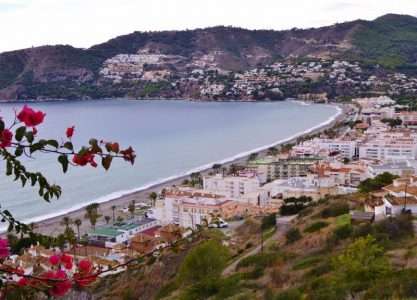
La Herradura
Just a short drive from Almuñécar, La Herradura has its own village atmosphere, beautiful horseshoe-shaped bay, restaurants, and international community. It is particularly popular with people looking for a quieter coastal lifestyle.
Marina del Este and Punta de la Mona
A more exclusive area with attractive properties, sea views, and access to the marina. Property prices and rents tend to be higher here.
My advice? If you are moving here permanently, consider your everyday needs rather than simply choosing the property with the best sea view. Being able to walk to the supermarket, doctor, pharmacy, and restaurants can make a big difference to your quality of life.
For more information, see our guide to renting in Almuñécar and La Herradura.
3. Electricity, Water, Gas and Internet
Utilities are another important part of your monthly budget.
Spain’s climate is wonderful, but don’t assume that living in a warm Mediterranean location means you won’t have significant electricity bills. Many homes have electric air conditioning, electric water heaters, and little or no central heating.
Your electricity bill can vary considerably depending on the season and how well insulated your property is. In addition, running AC or heaters, or an electric water heater, can add significantly to the cost. The portable plug in heaters can be very costly.
Here are some estimated monthly planning figures:
| Expense | Estimated monthly cost |
|---|---|
| Electricity | €60–€120 |
| Water | €20–€40 |
| Gas (if applicable) | €15–€40 |
| Internet (fiber) | €25–€40 |
| Mobile phone | €10–€25 |
These are budgeting allowances rather than fixed local tariffs.
Electricity
During July and August, air conditioning can increase your electricity consumption considerably. In winter, you may find yourself using electric heaters, particularly in apartments that are not designed for cold weather or North facing.
A useful tip: When looking at rental properties, ask about the average electricity bill and check whether the property has efficient air conditioning. Also check the winter and summer sun orientation.
Water
Water bills depend on consumption, the number of people in the household, and the local tariff. If you have a garden or swimming pool, expect additional expenses.
Internet and Mobile Phones
Good internet is essential if you work remotely or rely on video calls to keep in touch with family.
Fiber internet is available in many parts of Almuñécar, although coverage should always be checked for the exact property.
There are also several mobile options, including providers offering plans specifically aimed at foreigners living in Spain.
If you are new to Spain, take a look at our internet and mobile phone information.
4. Grocery Shopping and Food Costs
One of the things I particularly enjoy about living on the Costa Tropical is the availability of fresh, locally grown produce.
The area is famous for its subtropical agriculture, including avocados, mangoes, cherimoya (custard apple), and other tropical fruits.
You can shop at the larger supermarkets, visit the municipal market, or buy directly from local fruit and vegetable shops, as well as fish and butcher shops.
Where can you shop?
Some of the popular supermarket options include:
- Mercadona
- Lidl
- Carrefour
- Aldi
- Dia
- Local supermarkets and independent grocery shops
The municipal market is also worth visiting for fresh fish, meat, fruit, and vegetables.
How much should you budget for groceries?
| Household | Estimated monthly grocery budget |
|---|---|
| Single person | €200–€300 |
| Couple | €350–€500 |
| Family of four | €550–€750 |
These estimates assume most meals are prepared at home, with occasional purchases from local bakeries, markets, and specialty shops.
Of course, your spending will depend on whether you buy imported products, branded goods, organic food, or more affordable Spanish alternatives.
One thing worth remembering is that some familiar products from the UK or USA can be considerably more expensive or difficult to find. If you enjoy particular brands, you may need to adjust your shopping habits.
5. Eating Out: Restaurants, Tapas and Coffee
Eating out is one of the pleasures of living in southern Spain, and Almuñécar offers plenty of opportunities to enjoy good food without spending a fortune.
You will find traditional Spanish restaurants, beach bars (chiringuitos), tapas bars, international restaurants, and cafés.
Here are some typical planning prices:
| Item | Estimated cost |
|---|---|
| Coffee | €1.50–€2.50 |
| Beer | €2–€3 |
| Glass of wine | €2.50–€4 |
| Tapas | Often free with a drink |
| Breakfast | €3–€8 |
| Menú del día | €12–€19 |
| Casual restaurant meal | €15–€25 per person |
| Dinner for two with drinks | €40–€60 |
One of the best ways to keep your food budget under control is to take advantage of the traditional menú del día.
Many restaurants offer a set lunchtime menu that includes several courses, bread, and sometimes a drink and dessert or coffee.
And don’t forget the Spanish tapas tradition! In Granada province, many bars still offer a complimentary tapa with your drink, which can make an evening out surprisingly affordable.
If you are looking for somewhere to eat, browse our Almuñécar restaurant and food guides.

6. Healthcare and Health Insurance
Healthcare is an important consideration when moving to Spain, particularly for retirees and anyone relocating from outside the European Union.
Spain has both a public healthcare system and a large private healthcare sector.
Your eligibility for public healthcare will depend on your residency status, employment or pension arrangements, and applicable entitlement rules.
If you are not eligible for public healthcare, you may need private health insurance.
What does private health insurance cost?
As a general planning guide, private health insurance premiums can vary considerably depending on:
- Your age.
- Your medical history and underwriting requirements.
- The level of coverage.
- Whether you choose a policy with or without copayments.
- The insurer and specific plan.
For younger adults, basic private plans can be relatively affordable. For people approaching retirement age, premiums are generally higher.
If you are applying for a Spanish visa or residency permit, make sure you understand the specific insurance requirements before purchasing a policy. Not all private health insurance plans meet immigration requirements.
I offer Caser health insurance for foreigners living in Spain, including plans designed to meet visa and residency requirements.
You can find more information here: Health Insurance in Spain for Expats.
7. Transportation: Do You Need a Car?
One of the biggest decisions when moving to Almuñécar is whether you need a car.
The town center is relatively walkable, and you can handle many everyday activities without a car.
However, if you live outside the center, want to explore the surrounding villages, or regularly travel to Málaga or Granada, having a car can make life considerably easier.
Public transportation
Buses connect to nearby towns and cities, including Motril, Nerja, Granada, and Málaga.
You can also use taxis for local journeys. There are special senior discounts for those 65+ years old. There is also a bus pass for the local Almunecar city bus.

What does owning a car cost?
Here are some approximate monthly budgeting allowances:
| Expense | Estimated monthly cost |
|---|---|
| Car insurance | €30–€70 |
| Fuel | €60–€120 |
| Maintenance and servicing allowance | €25–€50 |
| Vehicle tax and ITV allowance | €10–€20 |
These are averaged budgeting estimates, not actual monthly bills. Your costs will depend on your vehicle, driving habits, insurance coverage, and annual mileage.
Remember to budget for parking, unexpected repairs, and replacement tires as well.
If you are bringing a vehicle from another country, there may also be registration and import expenses.
For more information, visit our Car Insurance in Spain page.
8. Entertainment, Leisure and Everyday Activities
One of the nicest things about living in Almuñécar is that you don’t need to spend a lot of money to enjoy yourself.
There are beautiful beaches, walking routes, parks, historical sites, and plenty of opportunities to enjoy the outdoors.
Many activities are free or inexpensive.
Some examples include:
- Walking along the Paseo del Altillo and San Cristóbal promenade.
- Spanish classes
- Exploring the historic old town.
- Visiting the weekly markets.
- Enjoying the beaches and coastal walks.
- Exploring the botanical gardens.
- Visiting the Castillo de San Miguel.
- Attending local fiestas and cultural events.
- Walking or hiking in the surrounding countryside.
You can also budget for activities such as:
| Activity | Estimated cost |
|---|---|
| Gym membership | €25–€45/month |
| Cinema ticket | €7–€10 |
| Occasional cultural event | Free–€30 |
| Local sports or fitness classes | Varies |
| Day trip by bus | Depends on destination |
There is always something happening in Almuñécar and the surrounding Costa Tropical, particularly during the summer months.
Keep an eye on our Almuñécar events and things to do guides to see what’s coming up.
9. Other Expenses People Often Forget
When calculating your cost of living, don’t forget some of the less obvious expenses.
These can add up over the course of a year.
If you own a property:
- IBI (annual property tax).
- Community fees (comunidad).
- Home insurance.
- Waste collection charges, where applicable.
- Repairs and maintenance.
- Swimming pool or garden maintenance, if applicable.
If you rent:
- Rental deposit (fianza).
- Possible additional guarantees.
- Moving expenses.
- Furniture and household items.
- Utility connection or setup costs, where applicable.
For everyone:
- Travel back to your home country.
- Travel Insurance
- Clothing and personal care.
- Dental treatment.
- Pet expenses.
- Unexpected medical or household costs.
- Visa and residency paperwork, where applicable.
I always recommend having an emergency fund rather than calculating your budget down to the last euro.
10. Is Almuñécar Cheaper Than Málaga, Nerja, or Marbella?
This is a common question from people considering a move to southern Spain.
Almuñécar generally offers a more relaxed atmosphere than some of the larger and more heavily visited coastal destinations.
However, it isn’t necessarily inexpensive everywhere. Areas such as Marina del Este, Punta de la Mona, and some of the more desirable beachfront locations can command premium prices.
Your comparison should consider more than just the rent.
| Location | General character |
|---|---|
| Almuñécar | Established town, beaches, year-round services, and international community, with a traditional Spanish vibe. |
| La Herradura | Smaller coastal village, quieter atmosphere and beautiful bay, with one main beach. |
| Nerja | Popular international destination with strong tourism demand. English is more widely spoken. |
| Málaga | Larger city, more services, transport connections, and employment opportunities. |
| Marbella | More upmarket property market and extensive luxury services |
If you are looking for a balance between coastal living, everyday convenience, Spanish culture, and access to larger cities, Almuñécar is certainly worth considering.
11. Can You Live Comfortably in Almuñécar on a €2,500 Monthly Budget?
Yes, it can be possible, particularly for a couple who own their home or find a reasonably priced long-term rental.
Here is an example of how a couple renting a modest two-bedroom apartment might spend €2,500 per month.
| Expense | Monthly budget |
|---|---|
| Rent | €1250 |
| Electricity and water | €110 |
| Internet and mobile phones | €55 |
| Groceries | €400 |
| Eating out and coffee | €200 |
| Transportation | €150 |
| Healthcare | €150 |
| Entertainment and personal expenses | €100 |
| Emergency savings / miscellaneous | €85 |
| Total | €2,500 |
This is an illustrative budget, not a guarantee that every couple can live comfortably on this amount.
It assumes a modest rental, no expensive car payments, relatively economical healthcare arrangements, and controlled discretionary spending.
If you want a larger property, a newer car, frequent travel, or a more luxurious lifestyle, you will need a higher monthly income.
12. Is Almuñécar a Good Place to Retire?
For many people, absolutely!
Almuñécar offers a combination of sunshine, outdoor living, good food, beaches, history, and a welcoming international community. There are also many discounts available to seniors in Spain.
It is large enough to have most of the services you need for everyday life but small enough to retain its traditional Spanish character.
There are, however, a few things to consider before making the move.
The advantages:
- A Mediterranean climate with mild winters.
- Beautiful beaches and coastal scenery.
- Fresh local produce and affordable dining options.
- A good selection of shops and everyday services.
- An established international community.
- Access to Granada and Málaga.
- Plenty of opportunities for outdoor activities.
The things to consider:
- Summer can be very busy, particularly in July and August.
- Long-term rental properties can be difficult to find.
- Some residential areas are steep and may require a car.
- English is not universally spoken, particularly in official offices.
- Private healthcare and residency requirements need to be planned for.
- Public transportation is more limited than in a major city.
My advice is always to visit outside the main summer season if possible. Spend some time here from October through April. You will get a much better idea of what everyday life is really like.
The prices within this post were estimated at the time of publishing. Of course, things vary based on lifestyle. If you wish to share your actual cost of living in Almuñecar or La Herradura, or if you have information to share, please add your comment below.